Emotional Coping
The Children Who Never Leave the ICU (Part 2): Karma, Blame, and What People Say to Rare Disease Parents
February 26, 2020
Is It a Curse, or Karma?
During the three-plus months my son spent in the pediatric ICU, I saw plenty of strange, heart-stopping things. One day, right as I walked in, a head popped up from a bed at the end of the row — a baby, curling and pushing himself half-upright, startled me half to death. Looking closer, he seemed about five months old.
“He’s doing that already, and my son can barely manage it at almost a year.”
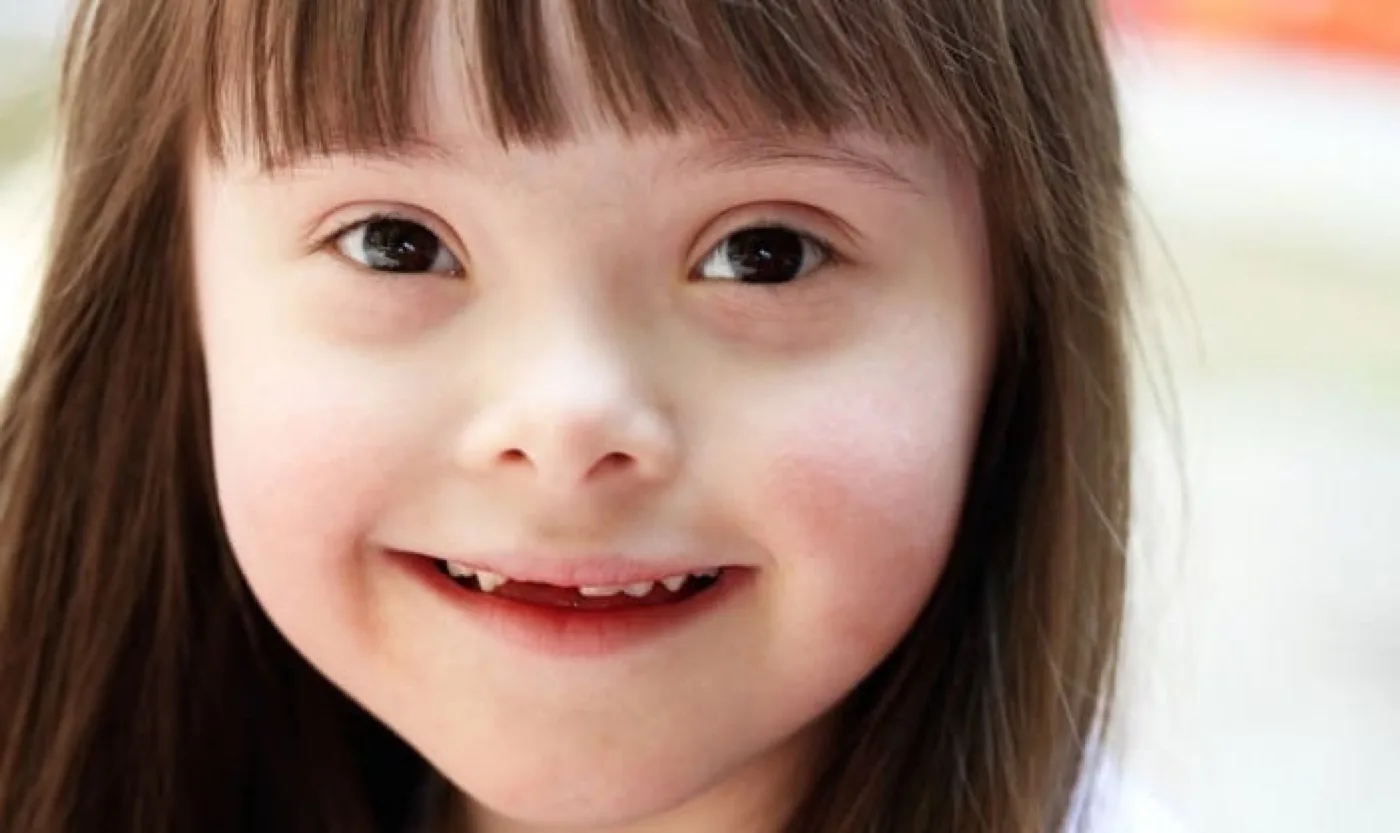
Still turning that over in my head, I asked the nurse how old he was. Two and a half, she said. His name was Xiao Ming (not his real name) — Down syndrome, in for heart surgery.
The Baby Without an Anus
Once you become the parent of a child with a rare disease, you can’t help getting curious about every diagnosis on the ward. Maybe understanding more about other conditions has made me more forgiving of medicine’s limits.
It turns out Down syndrome often comes with heart defects — poor circulation and slow growth were why Xiao Ming looked so small for his age. Then the nurse dropped the real bombshell: most babies born with Down syndrome are also born without an anus.
Is It a Curse, or Karma?
For a second I could hear, echoing from childhood, the ugliest thing neighbors used to scream at each other mid-fight: “May your kids be born without an asshole.” Turns out that’s not just a curse — it’s apparently a diagnosis. Mothers of children with disabilities need nerves of steel to sit through what the aunties have to say:
“This is karma. Your child must have done something terrible in a past life, and this is the payback.”
And if you try to explain — it’s a congenital chromosomal condition — the answer that comes back is worse: “Your genes must be bad.”
Screening Was Never a Guarantee
I used to read news stories about children born with Down syndrome and quietly wonder — doesn’t the health system cover prenatal screening? Doesn’t every pregnant woman get her nuchal translucency checked? Why would a baby with Down syndrome still be born? The nurse set me straight: “Screening accuracy runs 85 to 95 percent. Even with the test, there’s no guarantee the fetus is fine.”
True enough. I paid out of pocket for every test available during my pregnancy, and I still ended up with a child with a rare disease.
The Karma Theory Is Really About Fear
I’ve had strangers’ words cut into me more times than I can count. But the moment I put myself in their shoes, I understood what was actually happening underneath: fear.
“It happened to you because of karma from a past life — which means it could never happen to me.”
Because if it’s really just random chance, that means anyone could become the parent everyone whispers about as “unlucky.” That’s a terrifying thought. Who wants to sit with that?
But the truth, like our doctor put it plainly:
“This really is just probability. It just happened to land on you.”
At first I couldn’t accept it — why hadn’t the genetic panel caught something wrong? But the human genome runs into the tens of millions of genes, and screening only checks for a handful of known, common mutations. He was always going to be ours.
So if you’re a parent who’s been cut to pieces by other people’s words — forgive them, and let yourself off the hook too. You owe your child nothing more than what you’re already giving. People need a reason, so they can put down their own fear and confusion.
And if someone close to you happens to be raising a child with special needs — please, don’t tell them to “hang in there” or “you’re so strong.”
Because we are already trying harder than we have words for, and the last thing we want is to be strong. What actually helps is hearing: “If you need to cry, cry as loud as you want. Don’t hold it in. We’re here.”
The best encouragement is simply being listened to, and being stayed with.
A postscript: for parents of children with rare diseases, the visibility Down syndrome gets can feel almost enviable. The United Nations and Down Syndrome International designated March 21 as World Down Syndrome Day. Having a child with Down syndrome is no longer a risk reserved for older mothers — Taiwan is currently home to roughly 30,000 people living with the condition.
Get in touch
Prefer to talk privately? Email us directly. Prefer to comment publicly or share? Find us on Facebook.
The content on this site is one family’s personal caregiving account, not medical advice. Please discuss any medical decisions with your own healthcare team.