Daily Care
Heart Rate 30, After CPR: What Actually Separates a Hospital Ventilator from a Home Ventilator
June 7, 2020
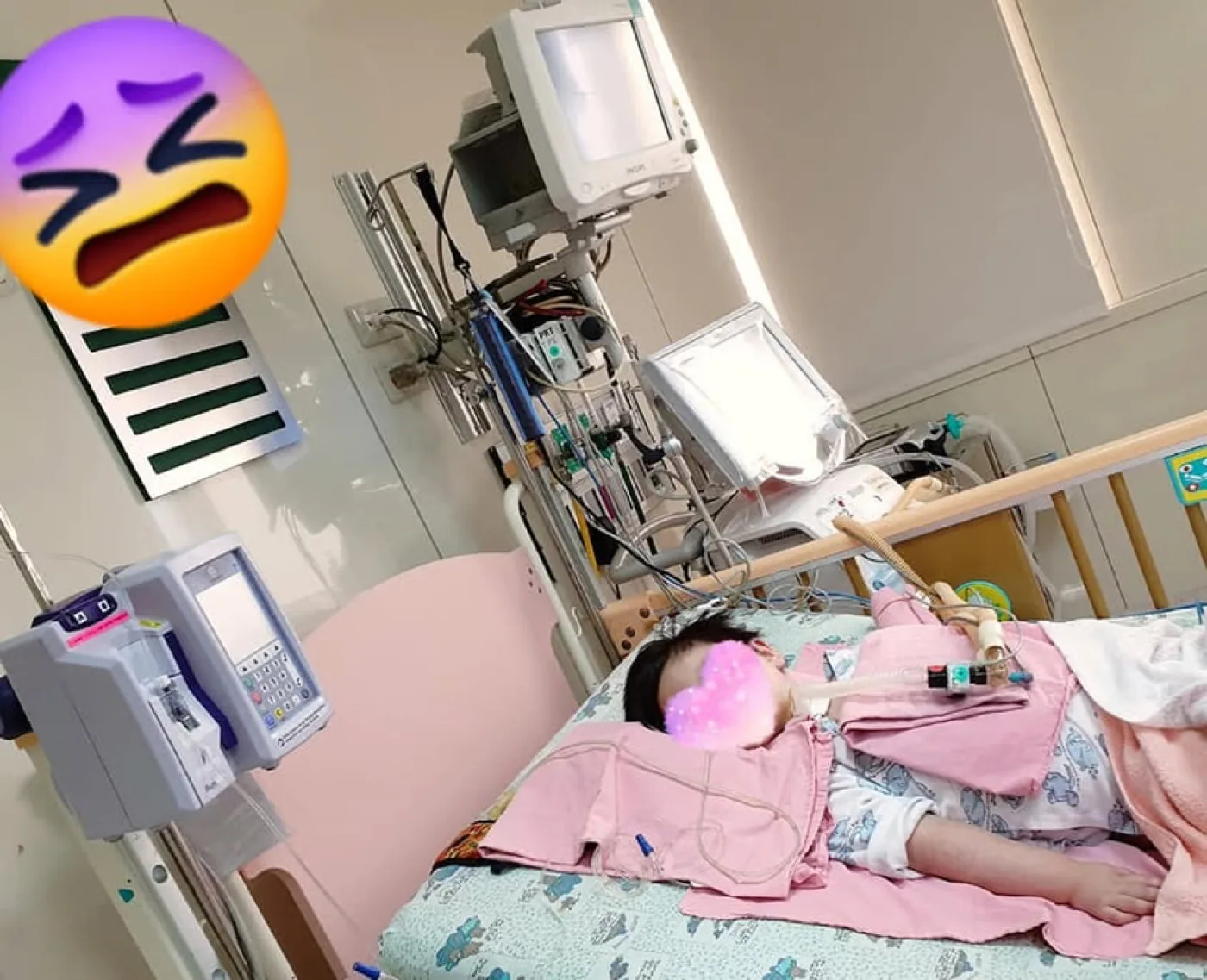
Before the wheelchair even made it home, my son was back in the hospital. Kids with a tracheostomy have almost no immune reserve when they catch a cold — any sign of infection, and it’s straight to the ICU. By day 11 of this stay, because of the coronavirus pandemic, visiting hours had been cut down to a single window, 11am, once a day.
Yesterday his heart rate dropped to 30 and he needed two minutes of CPR. The doctors say they still need to find the cause. His vitals are stable for now. He has to finish a full 14-day course of antibiotics in the hospital before there’s any chance of going home.
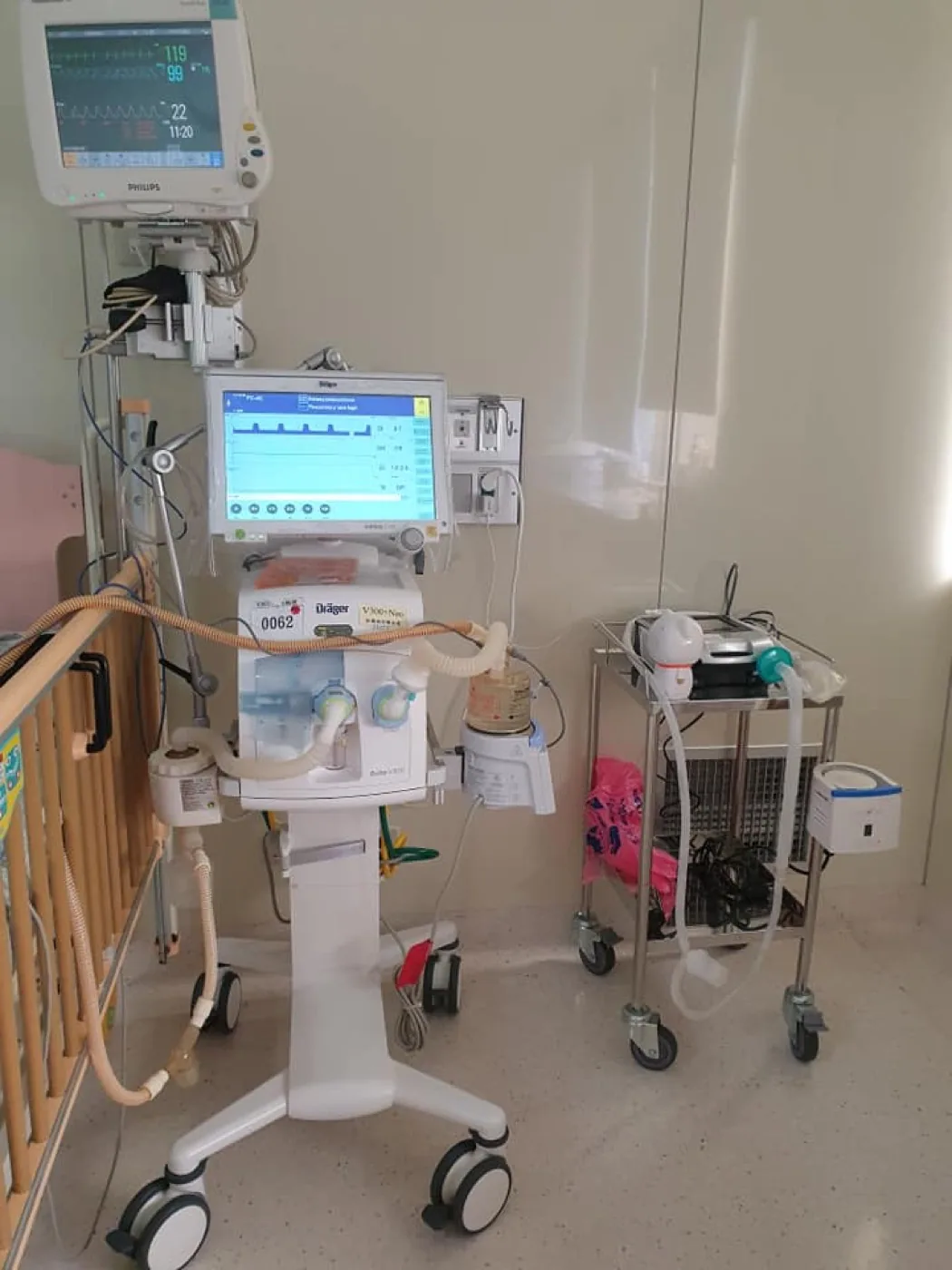
Unless you’ve been through it, it’s hard to picture what these ventilators everyone’s been scrambling to buy actually look like. Hospital ventilators run on a dual-limb circuit — inhale and exhale each get their own tube. Home ventilators are single-limb, one tube doing both jobs. When an infection sends mucus production up, a single-limb circuit can’t keep up, so we switch to the hospital’s dual-limb machine. It’s the same scenario for a lot of elderly patients who, for one reason or another, can’t breathe on their own.
I sat with this for a long time before deciding to share something this raw, because I’d just read about a real case of Munchausen syndrome by proxy — a horrifying story of a parent faking illness in a perfectly healthy child to get attention. It’s made me constantly check myself on what I’m trying to say, and why, every time I write.
A friend once told me our story makes people appreciate the ordinary kind of happiness. Maybe so. When I hit setbacks at work, or get caught up in office politics, I think of my son lying in that hospital bed, and it clicks back into place — health is what actually matters, and whatever I was clinging to can wait.
More photos
Get in touch
Prefer to talk privately? Email us directly. Prefer to comment publicly or share? Find us on Facebook.
The content on this site is one family’s personal caregiving account, not medical advice. Please discuss any medical decisions with your own healthcare team.